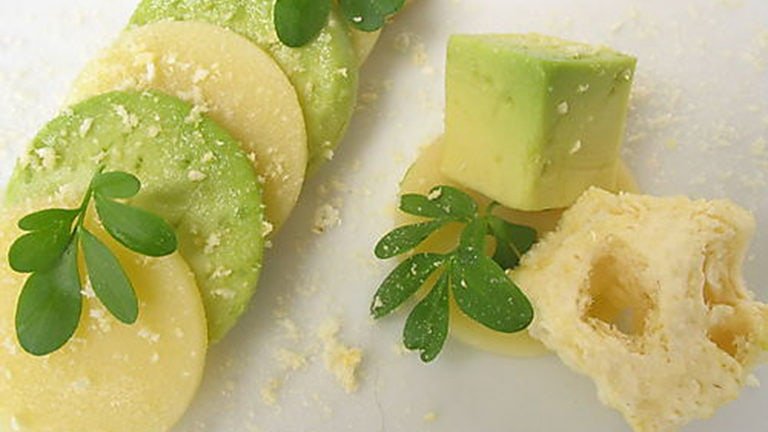
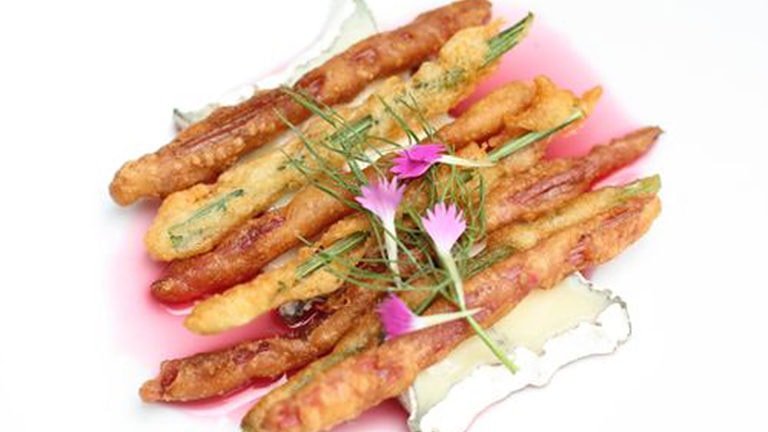
It was on a blustery winter afternoon that I first sampled amazake. It came in the form of a traditional Japanese beverage, served warm with a sprinkle of grated ginger. Learning that it was essentially just fermented rice and water, I was amazed at the depth of flavor and sweetness that koji had coaxed out of the rice. And there was a richness about the way that it felt in my mouth that reminded me of dairy. It was, I was told, the vegan eggnog.
Recently, I had a visitor come to my home to see my newly remodeled kitchen. Because he writes about food, I wanted to cook for him and was eager to showcase some of the products that I had fermented. For dessert, I made an amazake ice cream based on the beverage, using coconut water for added flavor. It was really an experiment, as I was curious about the texture of churned and frozen amazake. The result was not as creamy as I had hoped and the inherent sweetness had muted to a mere whisper— which typically occurs with freezing. We both agreed that it showed promise, but needed work.
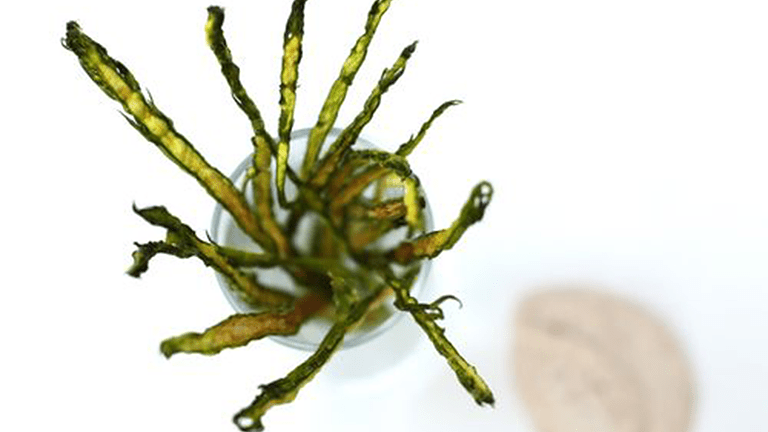
We also agreed that the flavor of strawberries and kinome with the amazake was quite special, so that part of the dish would remain intact.
Days later, I made a new ice cream with pureed amazake, cream, and sugar. It was a vast improvement over the original, but I couldn't help but feel that I had missed an important opportunity.
As someone who cooks customized food for a living, the upsurge of food intolerances is a salient concern. Coeliac disease, lactose intolerance, and food allergies are serious conditions that I have learned to make allowances for. Then there's an ever-increasing number of people who choose to refrain from entire food groups such as dairy or meat, or follow 'lifestyle diets' that exclude white powders and saturated fats. Add to that, the political eaters who prohibit foie gras, veal, unsustainable fish, factory farmed proteins, and unorganic produce; or picky eaters who refuse to eat (for example) anything with garlic or onions, and you can begin to see why chefs are so frustrated— some to the point of choosing to make NO allowances.
I don't have that luxury.
When a guest at a dinner party unexpectedly announces that there is something on the carefully planned menu that they can't or won't eat, I have to accommodate them. No excuses.
The upside is that when you feed someone with special dietary needs a delicious and satisfying meal that doesn't offend their bodies or minds, they are exceedingly grateful. Altruism aside, a happy client is always a boost to the ego.
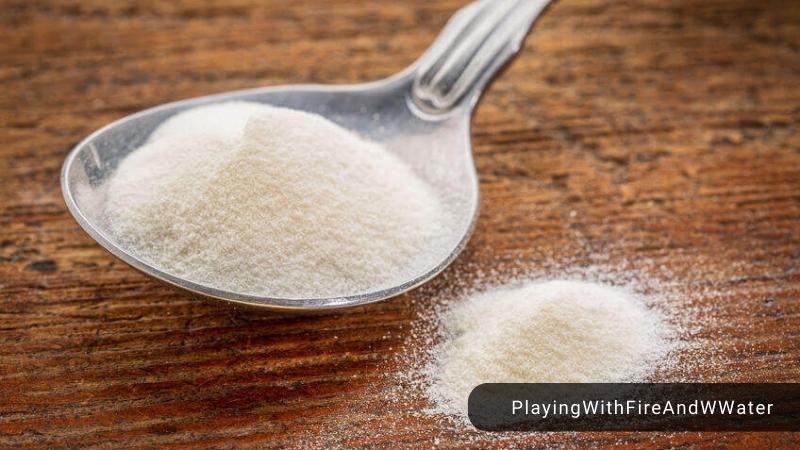
Over time, I've learned to make adjustments to fit most diets, but vegan desserts continue to challenge me. In a pinch, I can turn to fresh fruit and sorbet or granita, but that often feels like a copout. So I reexamined amazake's potential to add texture, natural sweetness, and moisture to desserts that otherwise rely on dairy products and refined sugars, and I decided that an ice cream was a good place to start. To the pureed amazake, I added coconut milk for richness, rice syrup for added sweetness, and guar gum to improve the mouthfeel. The addition of sichuan pepper was specific to this dish to enhance the flavor of strawberries and kinome.
While I'm pleased with how the amazake ice cream turned out, if I were given a choice between the sweet cream version and the vegan one, I would invariably choose the former.
I'm grateful that I have that luxury.

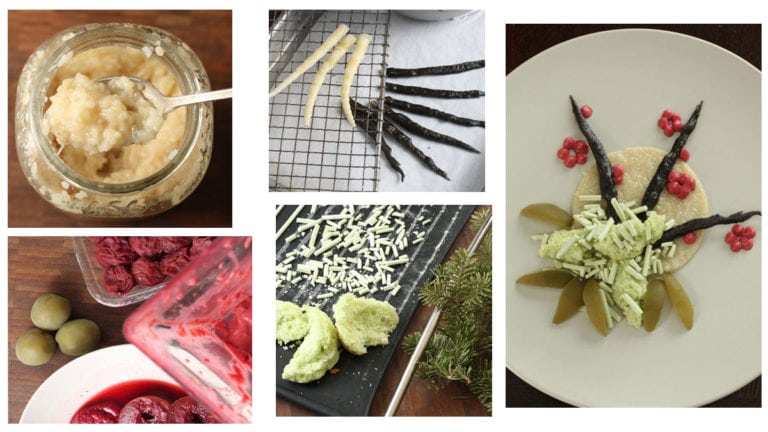
amazake ice cream ✢ puffed forbidden rice
strawberry ✢ sake ✢ kinome
vegan amazake ice cream
400g coconut milk
260g amazake
20g rice syrup
5g vanilla
4g lightly toasted and ground sichuan peppercorns (optional)
3g guar gum
Place all ingredients in a high speed blender and blend 3 minutes, or until very smooth. Scrape mixture into an ice cream freezer and proceed according to manufacture's directions.
Recent Comments